Entities, owner agreements, good standing and succession for California companies, from an attorney who thinks like an owner.
5.0 · 22 Google reviewsAvvo 10.0 “Superb”Since 1997
The Flaig Law Firm advises California business owners on the legal side of running a company: how it is set up, how it stays in good standing, what the owners have agreed with each other, and what happens to it when an owner retires, becomes ill or dies. You work directly with Donald W. Flaig, who has counseled California owners since 1997.
Structure. Choosing between an LLC, a corporation and an S corporation election is a tax decision and a control decision at the same time. We form the entity, write the operating agreement or bylaws, and put the first owner and board actions on paper, so the company starts with records that match how it actually runs. More on incorporation.
Good standing. A California corporation files a Statement of Information every year, and an LLC every two years, and every corporation owes the $800 minimum franchise tax. Miss either and the state can suspend the company. According to the Franchise Tax Board, a suspended business cannot legally do business or defend itself in court, and the other party to a contract signed while it was suspended can void it. We keep the filings and the minutes current, and when a company has already been suspended, we revive it.
The owners’ agreements. Most disputes between co-owners start with a question nobody answered on paper: what happens to a departing owner’s shares, at what price, and who pays. A buy-sell agreement answers it in advance, along with the shareholder agreement, the operating agreement and the contracts the company signs every day.
The owner’s own plan. Because Donald also writes estate plans, the company documents and the owner’s living trust are drafted to agree with each other. That is the work described on estate planning and business law and estate planning for a family business.
Donald works with companies anywhere in California from the Westlake Village office. The first conversation is free and completely confidential.
We work with owners the way a trusted general counsel would, without the cost of one on staff. It starts with understanding your business: what you do, how you are structured, and where the risk sits. From there we help with what you actually need, whether that is forming or restructuring an entity, putting solid contracts and operating agreements in place, protecting your personal assets, or planning for what happens when you sell or step away.
You deal directly with Donald, who has advised Conejo Valley owners since 1997, so the person giving you advice is the person who knows your business. The goal is simple: fewer surprises, and decisions made with confidence.
Plain-English explanations of the questions clients ask us most. See every practice area or browse the Learning Center.
The agreement that decides what happens to an owner's share of the company at death, disability, divorce or departure, at what price, and with what money.
Read →GuideHow a suspended California corporation or LLC gets back to good standing with the Franchise Tax Board and the Secretary of State, in the order the two agencies require.
Read →GuideWhat a California corporation and an LLC have to file, keep and decide each year to stay in good standing, and why the minute book matters more than it looks.
Read →GuideThe right structure, properly maintained, keeps a business problem from becoming a personal one.
Read →GuideThe right entity depends on how you want to be taxed, raise money, and run your company.
Read →GuideA final rule effective August 14, 2026 exempts U.S.-formed companies from Corporate Transparency Act reporting, and FinCEN says it will delete information already filed by U.S. persons.
Read →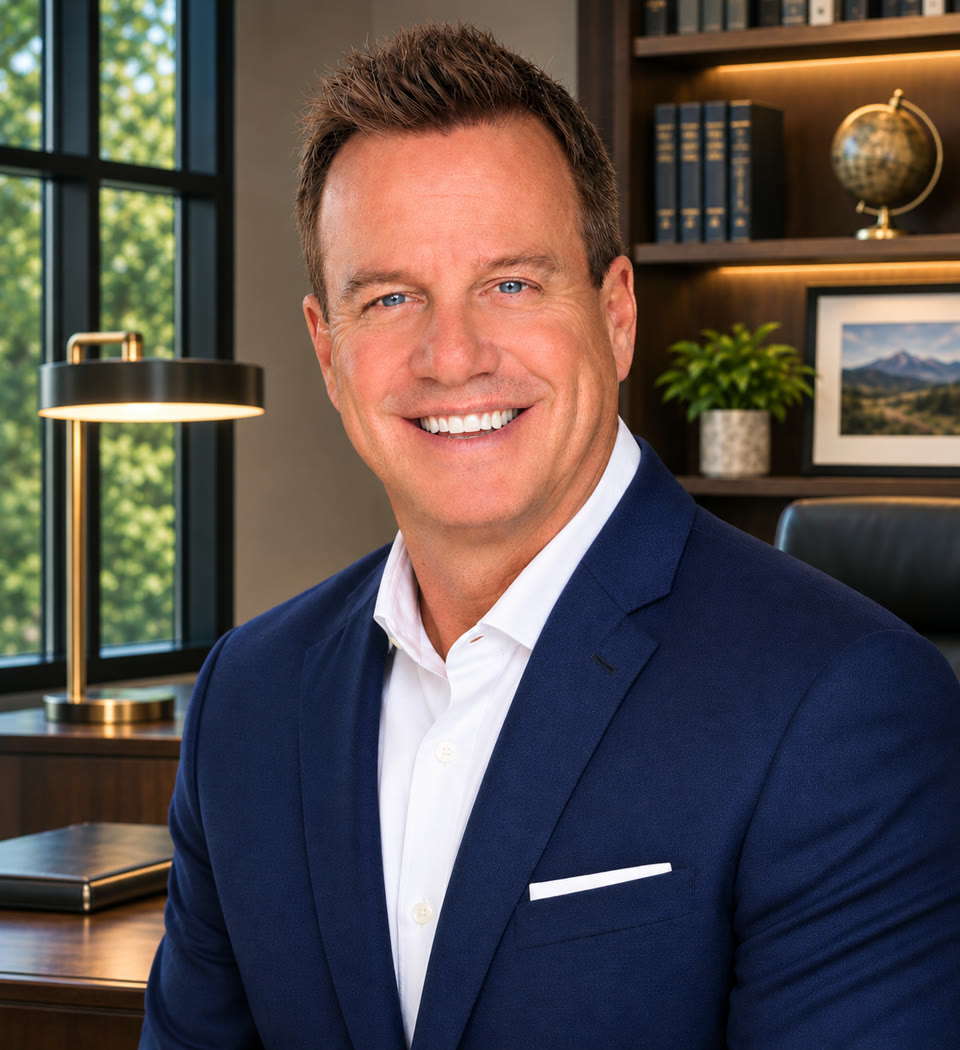
It starts with one conversation, free and completely confidential, and you speak directly with the attorney.
5.0 from 22 Google reviewsAvvo 10.0 “Superb”Practicing since 1997
Prefer to call? (818) 338-7620, Monday to Friday.