Estate Planning & Business Law · Westlake Village

One attorney for your family and your business.

Your living trust and your company’s documents, written by the same attorney so they agree.

5.0 · 22 Google reviewsAvvo 10.0 “Superb”Since 1997
5.0 · 22 Google reviews
View all reviews →
Helping you with Estate Planning Living Trusts Trust Administration Business Law Incorporation
Estate Planning and Business Law

Two plans that have to work as one.

Most business owners have two sets of documents that were never introduced to each other. The estate plan says who inherits the shares. The company’s bylaws, operating agreement and buy-sell agreement say who may own them, who runs the company, and at what price an owner’s share is bought out. When the two disagree, the family usually finds out after the owner can no longer fix it.

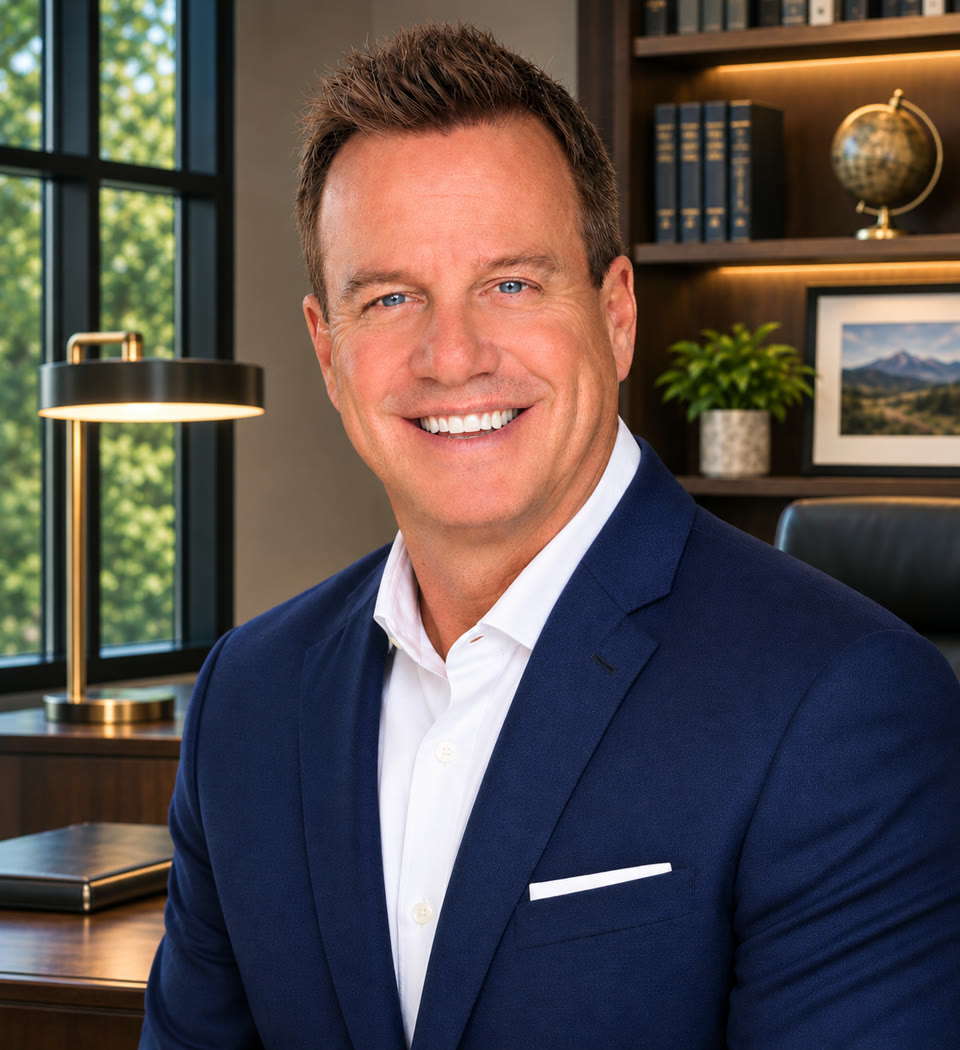
The Flaig Law Firm handles both sides. Donald W. Flaig has practiced estate planning and business law since 1997, from the firm’s Westlake Village office. Because the same attorney writes the living trust and the company documents, they are drafted against each other from the start, instead of reconciled in a crisis by two people who have never spoken.

The work is practical. Your trust names who inherits the company, and the company’s own records are updated so that person can actually vote the shares and sign the checks. Your buy-sell agreement sets a price, and the insurance or payment terms behind it are checked against your estate plan and the estate tax. Your spouse’s interest in a business built during the marriage is accounted for in both places.

This page is for owners ready to hire for both. For the ideas behind the work, the five decisions it has to settle and the rules that apply, read estate planning for a family business.

What Donald handles

Your family on one side, your company on the other.

Where the two plans touch

The places a family plan and a company plan collide.

Each of these is a question your estate plan cannot answer alone, and your company documents cannot either. Each link goes to a page that explains the rule and the fix.

Estate tax

Paying the estate tax without selling the business

When most of an estate is one company, federal estate tax is due in cash nine months after death. Two Internal Revenue Code provisions can let the business fund it over time, if the plan keeps the estate eligible.

Read →
Property tax

Proposition 19 and the building the business runs from

The company itself moves cleanly through the trust. The real property it operates from follows a different set of rules, and since February 16, 2021 those rules can reassess it.

Read →
Succession

When passing the business down is the wrong plan

Four tests that decide whether the company can survive the transfer to the next generation, and what to do when the honest answer is no.

Read →
Community property

Who owns the business when it was built during the marriage

In California the name on the stock certificate does not settle it. What community property does to the plan at death, to gifts of shares, to the buyout and to the income tax basis.

Read →
Incapacity

Who signs for the business when the owner cannot

A living trust settles who owns the company. It does not put anyone on the board, in an office or on the bank account. Those seats are filled through the company's own records.

Read →
S corporations

Why a living trust can end an S corporation election

Stock in a revocable trust is right while the owner is alive. The day the owner dies, that stock is on a two year clock that the trust has to be written for.

Read →
Life insurance

Why company-owned life insurance can raise the estate tax

An insured buyout is common. Since 2024, a policy the company owns counts toward the value of the very shares it was bought to purchase.

Read →
Co-owners

Buy-sell agreements for California business owners

What happens to an owner's share at death, disability, divorce or departure, at what price, and with what money, decided while every owner is still at the table.

Read →
Who it fits

Owners whose family and company are tied together.

How it works

From one conversation to one plan.

  1. A free first conversation. Tell Donald what you own, who owns it with you, and what you want to happen to your family and to the company. It is confidential, and you speak directly with the attorney.
  2. Both sets of documents, read together. Your trust and will, and the company's articles, bylaws or operating agreement, any buy-sell or shareholder agreement, the life insurance behind it, and the deed to any business real estate. This is the step two separate advisers rarely take, and it is where the conflicts show up.
  3. One plan that agrees with itself. Donald drafts or updates whichever documents need it, so the trust, the company records and the owners' agreement point the same direction. You get a plain English explanation of what each document does.
  4. Signing and follow through. The trust is funded, shares or membership interests are transferred into it with the company's own records updated to match, and you know which events should bring you back for a review.
Common Questions

Estate planning and business law questions, answered.

Do I need a separate estate planning attorney and business attorney?
Not at The Flaig Law Firm: Donald W. Flaig handles both. Separate attorneys can work well when they coordinate. The risk is that nobody reads the trust and the company documents side by side, so a conflict between them stays hidden until the owner dies or becomes incapacitated.
Should my company shares go into my living trust?
For most owners, yes: shares held in a funded living trust pass to your family without a court process. Check the company documents first. A buy-sell agreement may restrict transfers, and an S corporation needs trust terms that keep its election after the owner's death. Donald drafts the trust and the company records together so the transfer works on both sides.
What happens to my business if I become incapacitated?
Your trust and durable power of attorney can cover your ownership. Your seat on the board, your office and your authority on the bank account are filled through the company's own bylaws or operating agreement and its records. A plan for both sides means someone can sign for the business the next morning.
Is my business community property?
Possibly, at least in part. Under California Family Code section 760, property acquired during marriage by a married person domiciled in California is generally community property. That affects your estate plan, gifts of shares, and any buyout, so it is one of the first questions Donald answers with you.
Do you work with business owners outside the Conejo Valley?
Yes. The office is in Westlake Village, and Donald W. Flaig is licensed throughout California and works with owners anywhere in the state, by phone, video or in person.
How do we start?
With one conversation. The first conversation is free. Bring what you have, even if it is only a list of what you own and who owns it with you.
Donald W. Flaig, Esq.
Free Consultation

One conversation about both.

Your family and your business, in one free and completely confidential conversation with the attorney who would do the work.

5.0 from 22 Google reviewsAvvo 10.0 “Superb”Practicing since 1997

Prefer to call? (818) 338-7620, Monday to Friday.

Request your consultation

It takes less than a minute.

No obligation. We typically reply within one business day.